Planting
Give it sun + drainage.
Plant in full sun to partial shade. Muhly is especially well suited to sandy or rocky soils and performs best where drainage is good.

Muhlenbergia capillaris
A Florida native grass prized for cloud-like pink fall blooms, fine texture, and exceptional adaptability in low-maintenance landscapes.
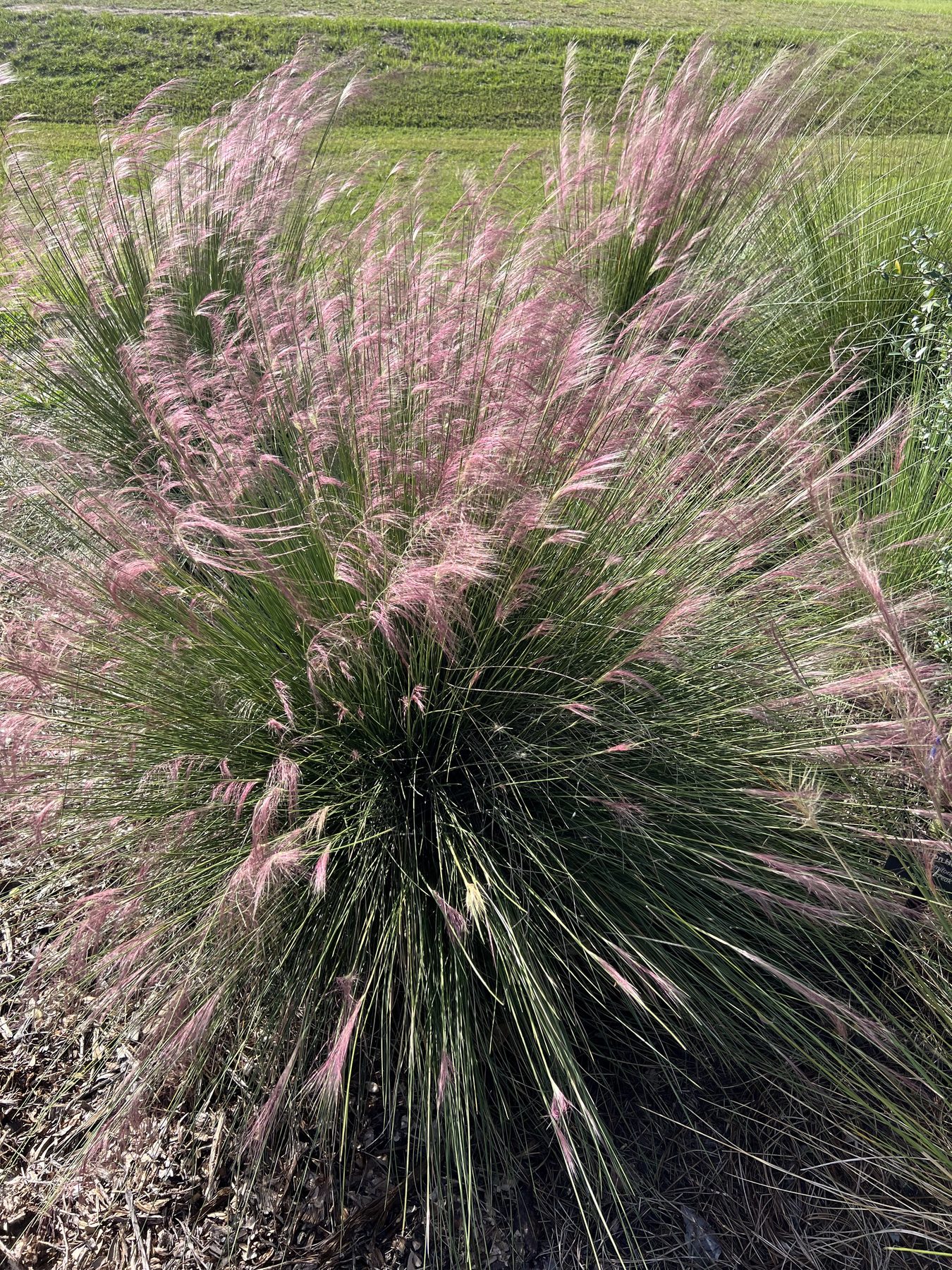
Muhly grass forms upright clumps of narrow foliage and produces airy pink to purple flower plumes in fall. It performs well in mass plantings, borders, roadside landscapes, and naturalistic designs, especially in sunny, well-drained sites.
Dense clumps provide low cover and refuge for small animals, while birds may feed on the seeds. In mixed native plantings, muhly grass also adds vertical and seasonal structure.
Muhly grass works especially well in large sweeps or repeated drifts. Its fine texture softens hard edges, creates movement in wind, and gives landscapes a strong fall display without visually heavy foliage.
In Florida, muhly grass occurs in habitats that include pine flatwoods, coastal uplands, beach dunes, marshes, and scrub. Its adaptability makes it useful across a wide range of designed landscapes.
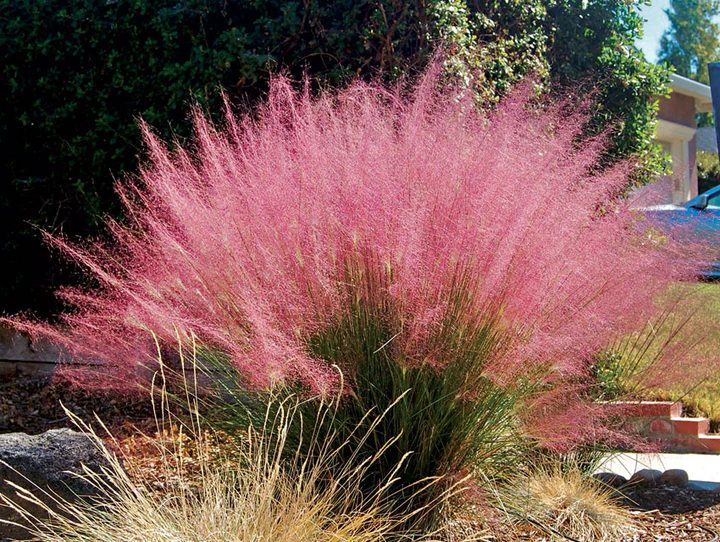
Plant in full sun to partial shade. Muhly is especially well suited to sandy or rocky soils and performs best where drainage is good.
Water during establishment. Once rooted, muhly is widely valued for drought tolerance and generally requires little supplemental irrigation in suitable sites.
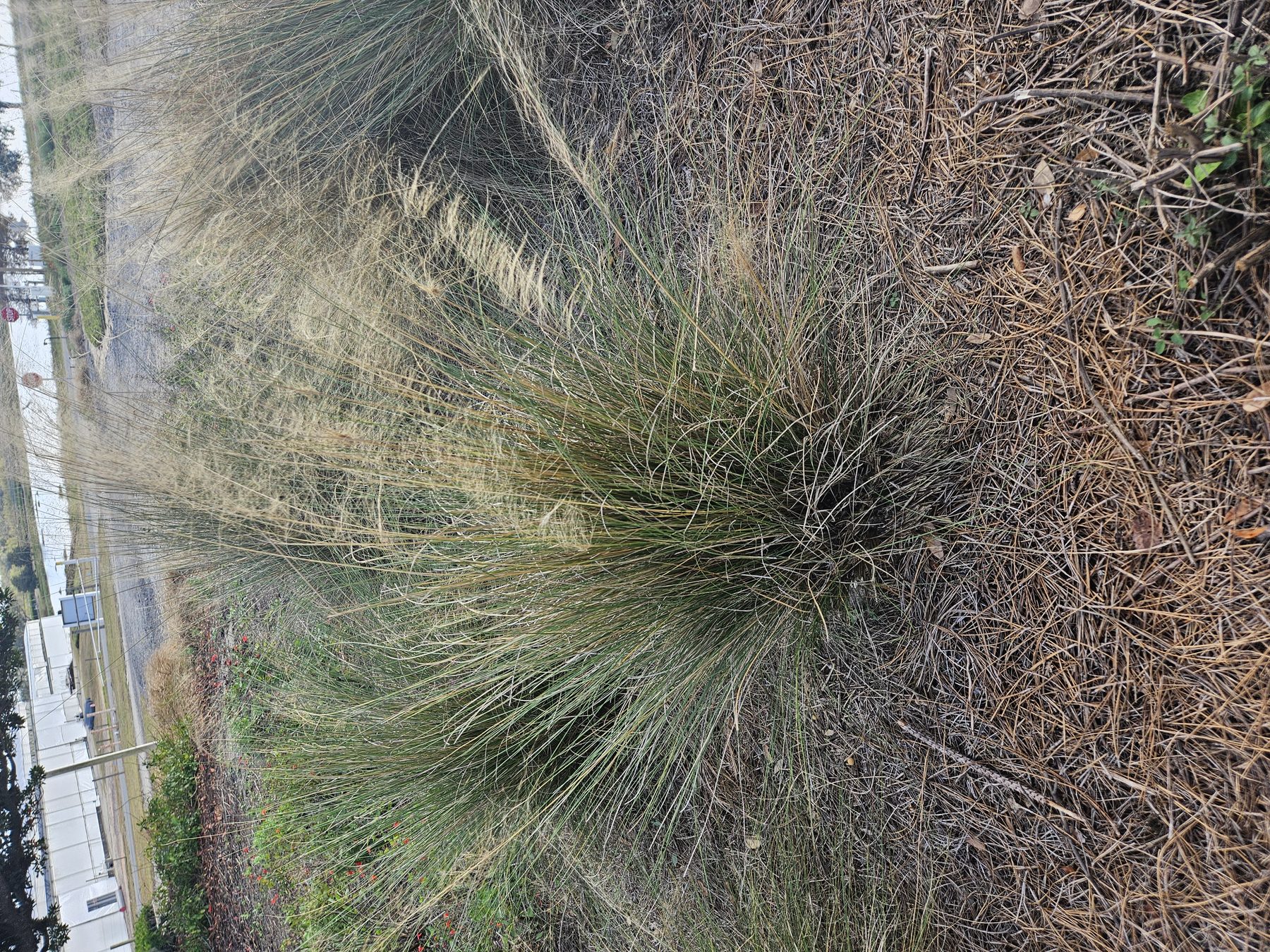
Brown foliage can be cut back in late winter or early spring before new growth emerges. Otherwise, established plants are typically very low maintenance.
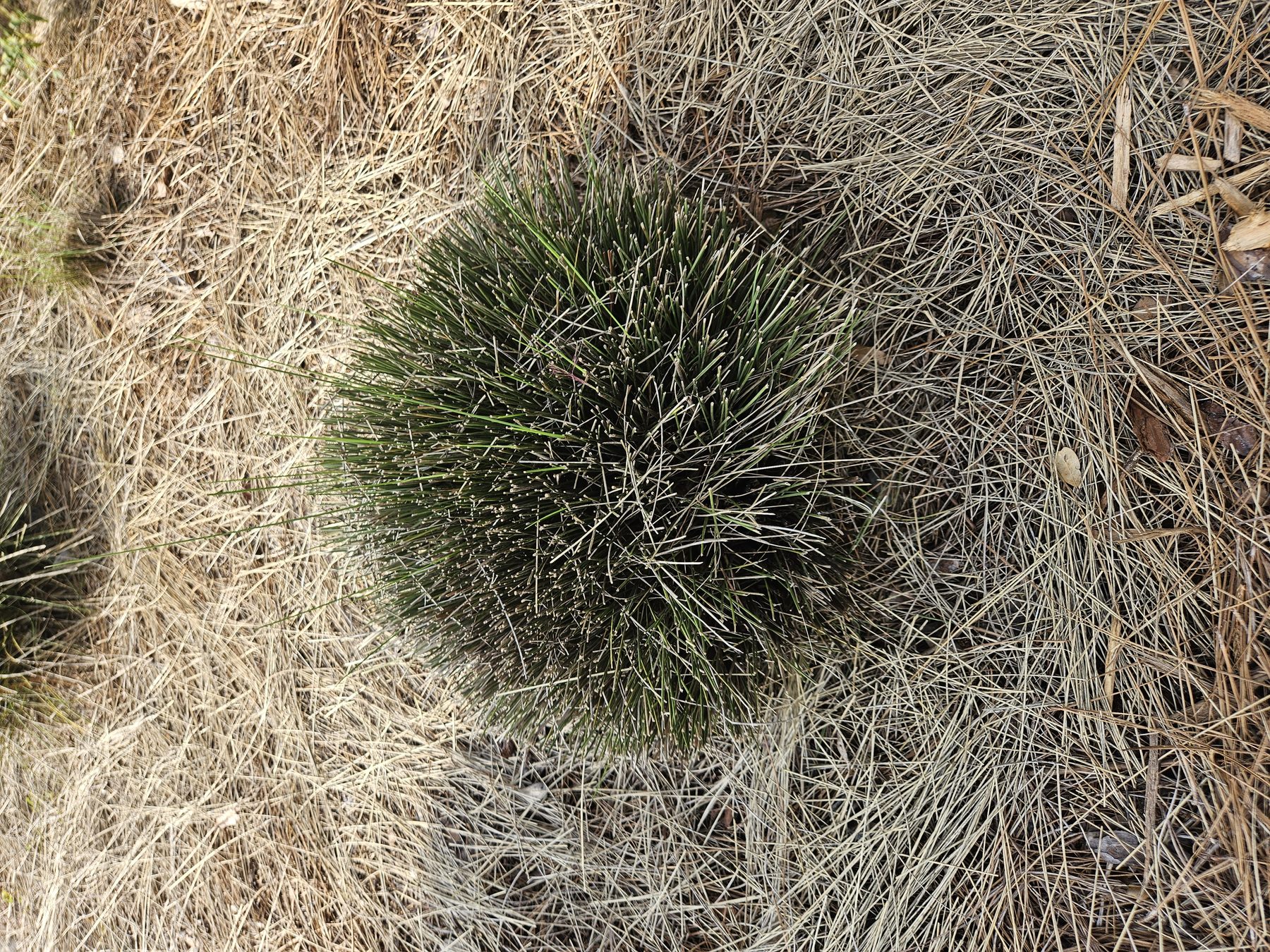
Cut old foliage back in late winter or early spring before new growth emerges. This preserves the natural seasonal rhythm while making room for fresh foliage.
 ▶
▶
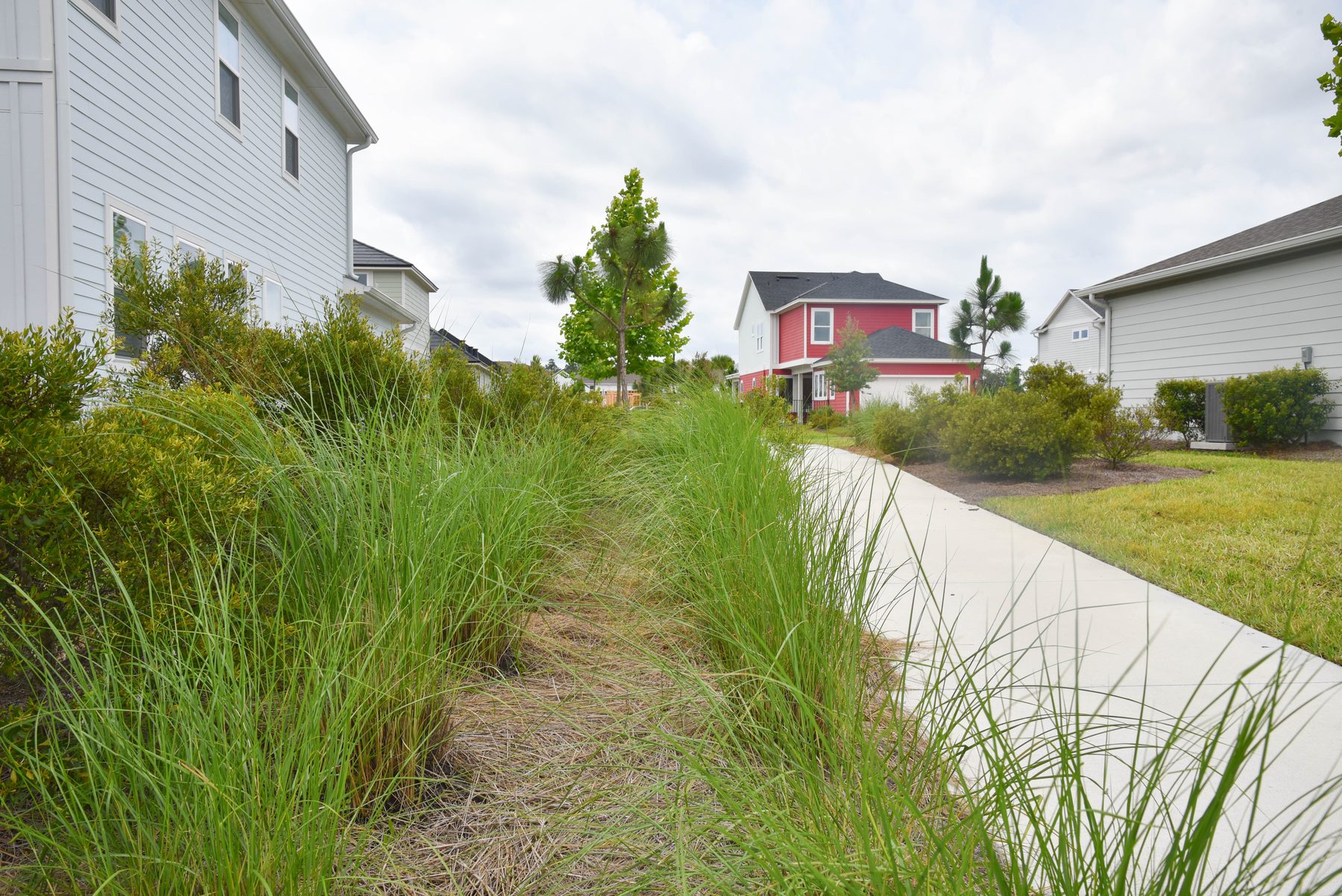
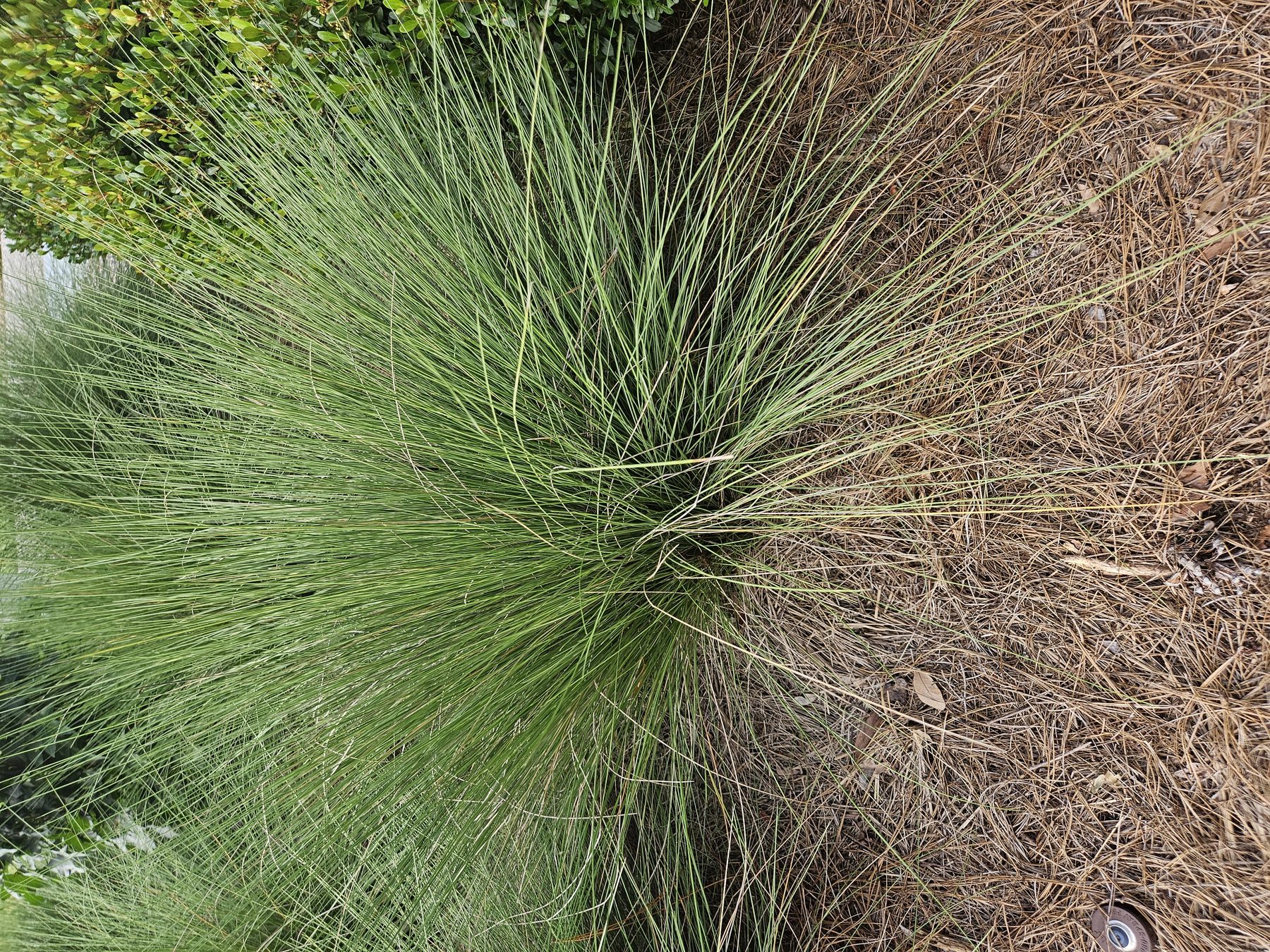
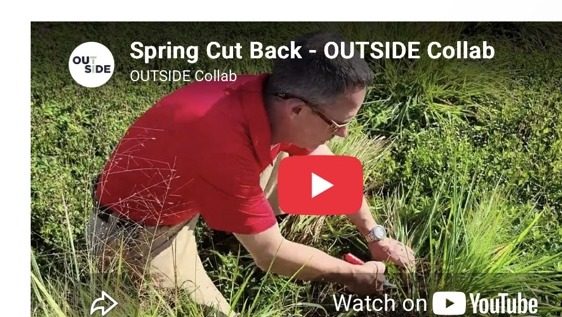
OUTSIDE’s maintenance series demonstrates how native and sustainable landscapes are managed differently from conventional landscapes. The spring cutback episode shows why native grasses are cut back before new growth and how the practice mimics the disturbance cycles found in natural systems.
For muhly grass, the video sits directly beside the seasonal care guidance so users can move from instruction to demonstration.
Watch Spring Cut BackUF/IFAS describes Muhlenbergia capillaris as a Florida native ornamental grass with a moderate growth rate, fine texture, a typical spread of 2–3 feet, hardiness in USDA Zones 7–11, and strong adaptability across landscape settings.
FNPS lists muhly grass as a long-lived perennial native grass used for mass plantings, hedges, and specimens. FNPS also notes bird use, fall bloom, and occurrence in flatwoods, marshes, and scrub.
OUTSIDE contributors add design, installation, maintenance, and seasonal observations drawn from real Florida landscapes. Those observations are attributed to the contributor and kept distinct from published research.


